

Most visible mold does not need a lab test. If growth covers less than roughly 10 square feet, EPA guidance says to clean it and fix the moisture source instead. Professional mold testing in College Park earns its cost in four specific situations: a musty smell with no visible source, unexplained symptoms among occupants, a real-estate transaction that needs documentation, or clearance after remediation. If one of those fits your situation, book an independent inspector who uses an AIHA-accredited lab. Pure Resto handles both the inspection and, if needed, the remediation for College Park properties.
TL;DR:
- Testing is essential only if there is a persistent musty odor without visible mold, unexplained health symptoms, a real estate transaction, or post-remediation clearance.
- Small visible mold patches under 10 square feet typically do not require testing and can be cleaned after fixing the moisture source.
- Mold inspections involve a walkthrough, moisture readings, occupant interviews, sample collection, outdoor controls, and lab analysis with a 48-72 hour turnaround.
- Professional inspection costs range from $300 to $700, with additional charges for extra samples, expedited results, and clearance testing, while DIY kits are unreliable.
- Choosing a qualified, independent inspector with proper credentials and lab accreditation is crucial to ensure credible results, especially in legal or insurance matters.
Table of Contents
- When Do You Need Professional Mold Testing?
- What Happens During a Mold Inspection Visit?
- How Much Does Mold Testing Cost in College Park?
- How Do You Choose a Qualified, Independent Mold Inspector?
- How Do You Read a Mold Inspection Report?
- Are There Local Rules for Mold Testing in College Park?
- Who Provides Certified Mold Testing in the College Park Area?
- What Health Effects Come From Mold Common in College Park?
- How Do Mold Testing Methods Compare?
- What the Research Actually Supports
- Book Mold Testing and Remediation With Pure Resto
- Sources
- FAQ
When Do You Need Professional Mold Testing?
Testing changes what you do next in four scenarios. A persistent musty odor with no visible growth suggests mold hiding behind drywall or under flooring. Unexplained respiratory or allergy symptoms among occupants, especially ones that ease when someone leaves the building, warrant investigation. Real-estate transactions often require documented results for buyers, lenders, or attorneys. Post-remediation clearance testing confirms a completed job actually worked.
Outside those four cases, testing rarely changes anything. The EPA's guidance is blunt: mold covering less than about 10 square feet just needs cleaning and a fixed moisture source, and identifying the species almost never changes that advice. Maryland's humid summers push indoor relative humidity above the 30 to 50 percent range the EPA recommends, which is why late spring and summer inspections tend to turn up more active growth than winter ones.
- Test: hidden odor, health symptoms, home sale or purchase, post-remediation verification.
- Skip testing, just clean and fix moisture: small visible patches under 10 square feet with an obvious water source.
What Happens During a Mold Inspection Visit?
A College Park mold inspection follows a predictable sequence, and knowing the steps helps you evaluate whether a company is cutting corners.
- Walkthrough and moisture readings. The inspector checks walls, ceilings, HVAC systems, and crawl spaces with a moisture meter, sometimes supplementing with infrared scanning to spot damp areas behind surfaces.
- Occupant interview. Where symptoms started, when the odor appears, and any past water intrusion all shape where samples get taken.
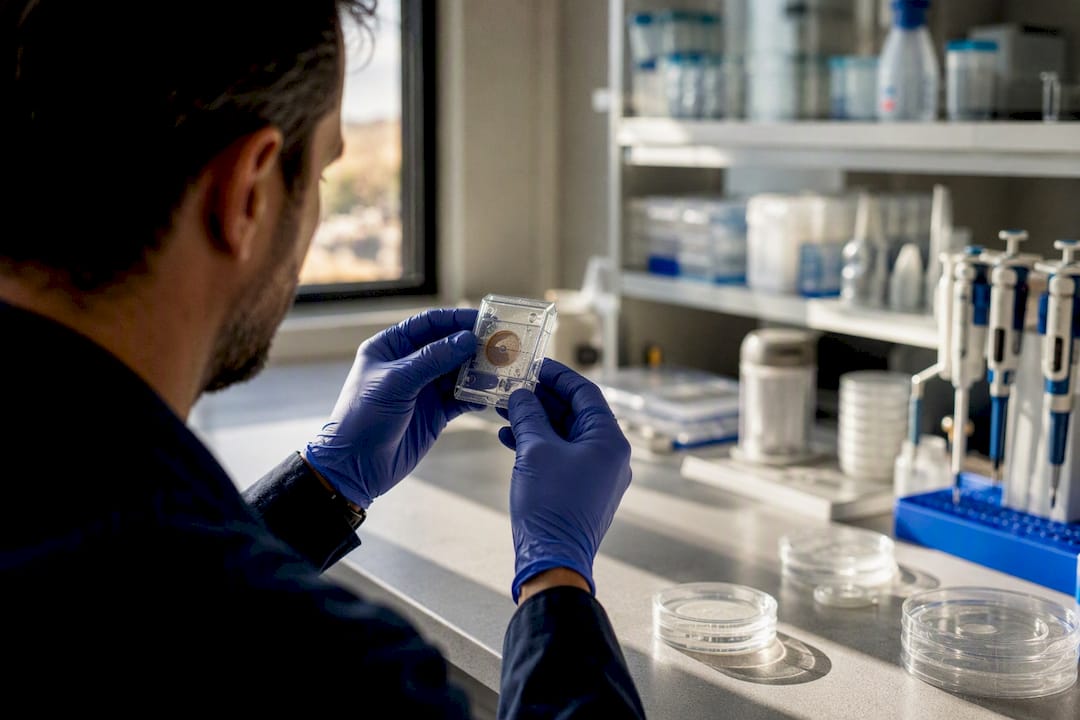
- Sample collection. Air sampling with spore-trap cassettes is the most common method for measuring airborne exposure, typically paired with surface tape or swab samples on visible growth and sometimes ERMI dust analysis for a broader genetic snapshot.
- Outdoor control sample. A sample taken outside at the same time gives the lab a comparison baseline, since some airborne mold spores are always present outdoors.
- Lab submission with chain of custody. Samples get documented, sealed, and sent to an AIHA-accredited lab.
Calibrated pumps matter here. An improperly calibrated pump skews spore counts and can make a clean home look contaminated or a contaminated one look fine.
Lab turnaround is typically 48 to 72 hours for direct microscopy on spore-trap cassettes, with culture-based species identification taking longer. Your report will list spore counts per cubic meter, the genera detected, and how the indoor numbers compare to the outdoor control.
How Much Does Mold Testing Cost in College Park?
DIY mold test kits sold at hardware stores run $10 to $50, but they cannot distinguish contamination from normal background spores and offer no chain of custody, which makes them worthless for a real-estate deal or insurance claim.
A standard professional inspection typically costs $300 to $700, covering a one to three hour on-site visit, moisture readings, two to four air samples plus an outdoor control, photos, and a written report. Larger homes, commercial buildings, or requests for six or more samples push costs toward $500 to $900 or higher.
- Per-sample lab fees typically run $25 to $75 each on top of the inspection call-out fee.
- Thermal imaging add-ons raise the total but can locate hidden moisture faster than a moisture meter alone.
- Rush turnaround on lab results usually carries a premium of $50 to $150.
- Post-remediation clearance testing commonly runs $300 to $600 when performed by a separate firm from the one that did the remediation work.
Homeowners filing an insurance claim for water damage should check their policy language carefully. Many policies cover mold testing only when it results directly from a covered water event, not from long-term humidity or condensation issues.
How Do You Choose a Qualified, Independent Mold Inspector?
Credentials separate a defensible report from a guess. Look for inspectors trained through InterNACHI, holding IICRC certification, or carrying ACAC's CMI (Certified Mold Inspector) or CIE (Certified Indoor Environmentalist) designations. The lab processing samples should carry AIHA accreditation through its Environmental Microbiology Laboratory Accreditation Program, since that accreditation is what makes a report credible in a legal or insurance dispute.
The single biggest red flag is a company that wants to test and remediate the same job. An inspector who profits from finding mold has a built-in incentive to find it, and a firm that fixes what it identifies is grading its own homework. The most defensible testing setup keeps a real separation between the tester and the remediator, especially for clearance sampling after a job is done.
Before booking, ask a few direct questions:
- What lab do you use, and is it AIHA/EMLAP accredited?
- Do you provide chain-of-custody documentation with every sample?
- Will you also bid on remediation, or do you refer that work out?
- Can I see a sample report before I pay?
- Are you insured, and can you provide references from College Park clients?
Pro Tip: If you are buying or selling a home, schedule the inspection early in your contract timeline. Lab turnaround plus report review can eat up several days you may not have during a tight closing window.
How Do You Read a Mold Inspection Report?
A useful report gives you more than a pass or fail. Expect these components:
- Spore counts per cubic meter for each sample location, compared directly against the outdoor control.
- Genera identified, since certain types like Stachybotrys or Chaetomium are strong water-damage indicators that usually push a report toward recommending remediation, while common outdoor genera like Cladosporium found indoors at similar levels to outside are often not a concern.
- Moisture readings and photos tying each sample location back to a visible source.
- Prioritized recommendations, ranking which areas need remediation first.
If indoor counts significantly exceed the outdoor control, or a water-damage indicator genus shows up indoors where it should not, remediation is the reasonable next step. A credible clearance plan uses an inspector who was not involved in the remediation itself, running the same air-sampling protocol used in the original inspection. Most remediation jobs run one to five days depending on scope, with clearance testing scheduled once dust has settled and the area has aired out, typically 24 to 48 hours after the work finishes.
Are There Local Rules for Mold Testing in College Park?
Maryland does not currently license mold inspectors or set a state-mandated action level for airborne spore counts, unlike states such as New York and Texas, which regulate mold assessors directly. That means the quality bar for a College Park inspection rests entirely on the credentials and lab accreditation the inspector chooses to carry, not on a state license number you can check.
Prince George's County follows the state's general housing and health codes, which require landlords to maintain rental units free of conditions that endanger health, including chronic moisture and mold growth. A tenant with a persistent mold problem can file a complaint with the county's Department of Permitting, Inspections and Enforcement, which can trigger a health inspection separate from any private mold test.
For real-estate transactions, Maryland does not require a mold inspection as a standard part of closing, but many purchase contracts include a mold contingency clause negotiated between buyer and seller. Because no statewide licensing board oversees inspectors, the EPA's guidance and independent credentials like ACAC certification function as the practical quality standard College Park homeowners rely on. This absence of formal state oversight is exactly why choosing an inspector with real accreditation, rather than just a local business listing, matters more here than in states with licensing requirements.
Who Provides Certified Mold Testing in the College Park Area?
College Park sits inside a dense corridor of Maryland restoration and inspection companies, and the ones worth calling share a few traits: AIHA-accredited lab partnerships, IICRC or ACAC-credentialed staff, and a willingness to separate testing from remediation work when a client wants independent verification.
Pure Resto's College Park mold inspection service covers the university area and surrounding neighborhoods, with IICRC-certified technicians handling both the diagnostic and remediation side when a client wants one company managing the full job. The same team also serves Adelphi and Edgewater, useful context for property managers overseeing buildings in more than one town.
Beyond any single provider, look for firms whose technicians hold InterNACHI training or ACAC's CMI or CIE certification, and confirm the lab they use carries AIHA/EMLAP accreditation before you sign anything. National lab networks like EMSL Analytical are a common reference point for accreditation quality, since their AIHA-accredited status is well established across the industry. A company that cannot name its lab or explain its accreditation on the phone is not one to hire for a report you might need in a legal or insurance dispute.
What Health Effects Come From Mold Common in College Park?
Maryland's humidity and older housing stock in and around College Park create conditions for a fairly predictable set of mold genera, and the health effects vary by type and by person.
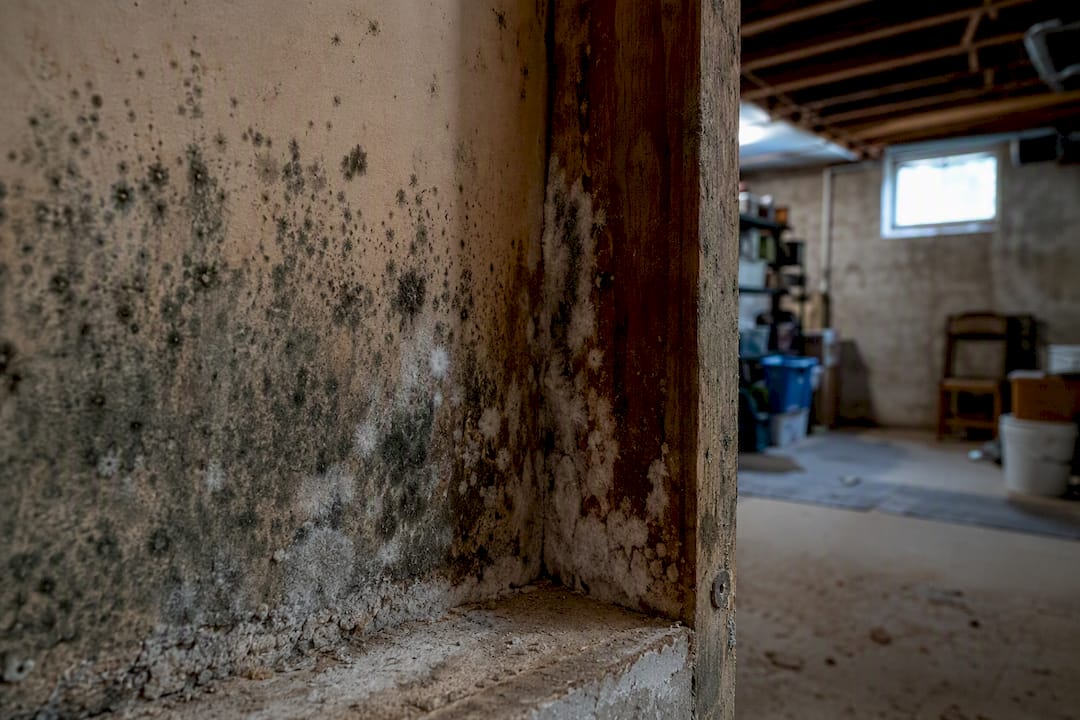
Cladosporium and Aspergillus are common in both outdoor air and indoor dust here, and for most healthy adults, low-level exposure causes little more than occasional nasal irritation. People with asthma or mold allergies react more strongly, often with worsened wheezing, congestion, or eye irritation when levels climb.
Water-damaged buildings, a frequent issue in older rental housing near the University of Maryland campus, are more likely to harbor Stachybotrys chartarum, the species popularly known as black mold. Exposure is associated with more severe respiratory symptoms and, in some documented cases, skin irritation, though the EPA notes that most health effects from mold in homes stem from allergic-type reactions rather than toxic poisoning, and severity depends heavily on individual sensitivity and exposure duration.
Penicillium and Chaetomium also show up in flood-affected basements and crawl spaces, common features of College Park's older housing near the Anacostia tributaries. Chronic exposure in sensitive individuals, including young children and people with compromised immune systems, warrants a lower threshold for testing and faster remediation once a problem is confirmed.
How Do Mold Testing Methods Compare?
Testing technology in this space has not changed dramatically in the past decade, but the tools available differ enough in cost and precision that the choice matters.
Air sampling with spore-trap cassettes remains the standard for measuring what occupants actually breathe, and it is the method most inspectors default to for airborne exposure assessment. Surface sampling, whether tape lift or swab, identifies exactly what species are growing on a visible patch but says nothing about airborne concentration. ERMI dust analysis, which sequences DNA from settled dust, gives a broader genetic snapshot of mold history in a home over time, useful for chronic cases but overkill for a quick pre-purchase check.
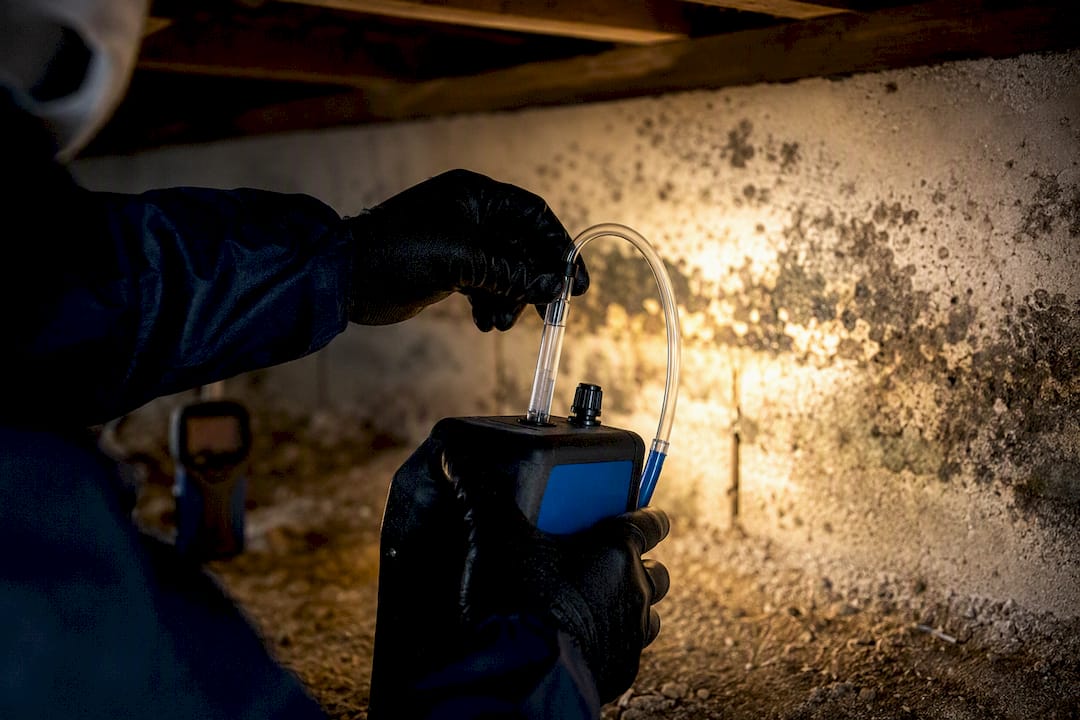
Thermal imaging has become a common add-on rather than a replacement for sampling. It finds temperature differentials that suggest hidden moisture but cannot confirm mold itself, so it works best paired with a moisture meter and follow-up sampling rather than as a stand-alone diagnostic. For most College Park homes, a combination of air sampling plus surface sampling on any visible growth, backed by an outdoor control, remains the most cost-effective and interpretable approach.
What the Research Actually Supports
The instinct to test first and ask questions later is understandable, but it is not what the evidence supports. Both the EPA and the New York State Department of Health land on the same conclusion from different angles: species identification rarely changes what you should do about visible mold, and testing without a clear reason often just adds cost without adding clarity.
Where conventional advice falls short is in treating "should I test" as a single question with one answer. It is really four separate questions tied to four separate risks: health, hidden damage, transaction liability, and remediation verification. A homeowner spooked by a small bathroom ceiling stain and a property manager clearing a unit after a burst pipe are solving completely different problems, even though both might type "mold testing College Park" into a search bar.
The overlooked variable is independence. A report is only as credible as the separation between the tester and whoever might profit from remediation. Readers should prioritize that separation over almost anything else on a vetting checklist, including price. Cheap testing from a company that also wants to sell you cleanup is not a bargain.
— Pure
Book Mold Testing and Remediation With Pure Resto
Pure Resto is the direct option for College Park homeowners and property managers who want one accountable local team instead of coordinating a separate tester, a separate remediation crew, and a separate insurance conversation. You get IICRC-certified technicians, a rapid response window, and direct insurance billing so you are not fronting costs while a claim gets sorted out.
The workflow runs inspection to remediation to clearance verification without handing your file to three different vendors, which matters most when a real-estate closing or a health concern is on a deadline. Before you call, have your address, a description of what you are seeing or smelling, and any recent water damage history ready. That speeds up scheduling and lets the technician arrive prepared with the right sampling equipment.
Ready to get a straight answer about your property? Schedule a mold inspection in College Park and get a written report with clear next steps, not just a guess.
Sources
- A brief guide to mold, moisture and your home | US EPA
- How to test your home for mold (and when to skip it) - InspectandTest
- Mold Inspection Cost: $300–$900+ by Size & Sample Count (2026)
- Mold and your home: What you need to know (NY State Dept. of Health)
FAQ
What Is the Average Cost of a Mold Inspection?
Most College Park homeowners pay $300 to $700 for a standard inspection that includes two to four air samples plus an outdoor control, with larger properties or expanded sampling pushing costs toward $900 or more.
What Time of Year Is Worst for Mold?
Late spring through late summer tends to be worse because warm, humid air pushes indoor relative humidity above the 30 to 50 percent range the EPA recommends for keeping mold growth in check.
What Are the Signs You Need Mold Testing?
A persistent musty odor with no visible source, unexplained respiratory or allergy symptoms among occupants, an upcoming real-estate transaction, or the need to verify a completed remediation job are the four main signs professional testing is worth the cost.
How Do You Test for Mold in a Dorm Room?
Visible mold on a small area, like a windowsill or shower corner, usually just needs cleaning with a mild detergent and a fix for the moisture source rather than lab testing; persistent odor or symptoms with no visible cause warrant reporting to housing staff for a professional air sample.