
Skip lab testing for a small visible patch. If you can see mold on less than about 10 square feet of surface and there's no lingering water problem behind it, the EPA is direct about this: sampling is unnecessary in most cases, and no federal agency sets a permissible limit for airborne mold spores anyway. That number wouldn't tell you anything actionable.
Professional testing earns its cost in a narrower set of situations: recent water damage, unexplained respiratory or allergy symptoms tied to a specific room, a real estate closing, an insurance claim, or a clearance check after remediation work.
If any of those apply to your Hyattsville home, here's what to do right now:
- Photograph the visible mold and any water stains, with a ruler or coin for scale.
- Write down the date of any leak, flood, or plumbing failure, even a minor one from months ago.
- Call a certified inspector if you're dealing with insurance, a sale, symptoms, or post-remediation questions.
Key Takeaways
Professional mold testing pays off in five specific situations, while visible patches under 10 square feet rarely need lab confirmation.
| Point | Details |
|---|---|
| Skip testing for small patches | Visible mold under about 10 square feet with no ongoing moisture issue rarely needs lab confirmation. |
| Test for five key scenarios | Insurance claims, real estate sales, post-remediation clearance, health symptoms, and landlord-tenant disputes justify the cost. |
| Expect $300 to $900 for inspection | Per-sample lab fees add $25 to $150, with a national average inspection cost near $670. |
| DIY kits are a screening tool only | Settle plates and home kits miss the outdoor baseline comparison that makes results meaningful. |
| Purerestomd handles the full process | IICRC-certified inspectors, accredited lab partnerships, chain-of-custody sampling, and direct insurance billing in one service. |
This article is general information, not a substitute for advice from a qualified doctor. Consult a qualified healthcare professional about your own circumstances before acting on anything here.
Table of Contents
- When Does a Mold Test in Hyattsville Actually Make Sense?
- What Happens During a Professional Mold Inspection?
- How Much Does Mold Testing Cost, and How Long Does It Take?
- How Do You Pick a Qualified Mold Inspector?
- Are DIY Mold Test Kits Worth It?
- Why Hyattsville Homeowners Choose Purerestomd for Mold Inspection
- What Are Hyattsville's Mold Disclosure Rules?
- What Makes Hyattsville Homes Prone to Mold?
- How to Vet a Local Remediation Contractor
- Our Take: Testing Should Follow the Problem, Not Precede It
- Sources
- FAQ
When Does a Mold Test in Hyattsville Actually Make Sense?
The 10-square-foot rule is the fastest filter available. The EPA's remediation guidance treats anything above that threshold as a job for professional guidance, partly because larger colonies usually mean a moisture source that's been active for a while, not a one-time spill.
Beyond size, five situations consistently justify the cost of professional testing:
- Insurance claims, where a written report with lab backing determines whether a claim gets paid.
- Real estate transactions, where buyers or lenders want documented air quality before closing.
- Post-remediation clearance, confirming a contractor's work actually solved the problem.
- Unexplained health symptoms, especially respiratory issues that improve when someone leaves the house.
- Landlord-tenant disputes, where a neutral, documented report protects both sides.
Hyattsville's older housing stock and proximity to the Anacostia floodplain push some homes toward higher priority. Basements, crawlspaces, and any property with a recent flood or ongoing HVAC condensation issue should move testing up the list rather than wait for visible growth to spread.
Pro Tip: If your basement has ever taken on water, even an inch during a storm, treat that as a standing invitation for hidden mold behind drywall or under flooring, whether or not you can see it yet.
What Happens During a Professional Mold Inspection?
A real inspection is more than someone glancing at a wall and writing an estimate. It starts with a visual walkthrough of the whole property, not just the room you're worried about, because mold problems often start somewhere you haven't noticed yet.
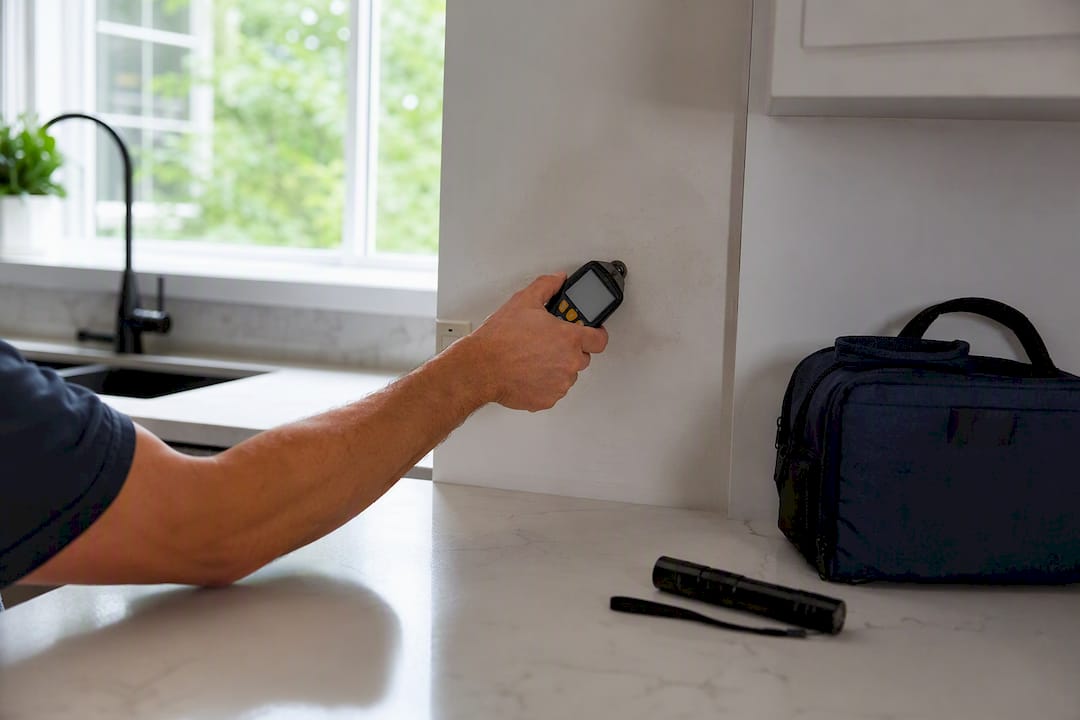
From there, a qualified inspector maps moisture using handheld meters and often an infrared camera to spot damp areas behind walls without cutting into them. Surface samples get taken from visible growth using swabs or tape lifts. Air sampling follows, comparing an indoor reading against an outdoor baseline sample, since outdoor air always carries some mold spores and the comparison is what makes indoor numbers meaningful. For real estate or long-term exposure questions, an ERMI dust test can add a longer accumulation history that a single air sample can't capture.
Every sample gets logged with a chain of custody, meaning it's tracked from collection to lab analysis so results hold up for insurance or legal purposes. Labs accredited through AIHA or working to ACAC-recommended methods identify mold species and report spore counts, not just a yes-or-no answer.
The deliverable should be a written report: photos, sample locations, lab results with interpretation, and specific remediation recommendations. A documented chain of custody is often worth more than the raw numbers themselves when a claim or dispute is on the line. Ask upfront whether clearance testing after remediation is included or billed separately.
How Much Does Mold Testing Cost, and How Long Does It Take?
Pricing varies with home size, sample count, and the type of analysis requested. A basic visual inspection with a handful of samples costs less than an ERMI dust test paired with a certified industrial hygienist's involvement.
| Service | Typical Cost | Timing |
|---|---|---|
| Standard inspection | $300 to $900 | Scheduled within days; onsite visit typically 1-2 hours |
| Per-sample lab fee | $25 to $150 per sample | Lab turnaround 3 days or more |
| ERMI or CIH-level assessment | Higher than standard, varies by scope | Longer lab processing due to DNA analysis |
| Post-remediation clearance | Comparable to standard inspection | Recommended about 30 days after remediation |
The national average for a mold inspection runs around $670. What moves the price up or down:
- Home size and number of rooms with suspected growth.
- How many air, surface, or dust samples get collected.
- Whether the job needs a certified industrial hygienist rather than a general inspector.
- Accessibility issues like crawlspaces or difficult attic access that add onsite time.
How Do You Pick a Qualified Mold Inspector?
Credentials matter more here than almost any other home service, because a bad inspection can cost you an insurance claim or a real estate deal. Look for IICRC certification at minimum, and ideally ACAC credentials or a Certified Industrial Hygienist (CIH) for complex cases.
Confirm the lab processing the samples carries AIHA accreditation, and ask directly about chain-of-custody procedures. Certified inspectors using AIHA-recognized lab methods are what makes results defensible for insurance or real estate, according to the EPA's own guidance on when sampling matters.
One conflict to watch for: an inspector who also performs remediation has a financial incentive to find (and then fix) a problem. That doesn't mean every dual-service company is dishonest, but insist on independent clearance testing after the work, ideally from a source not tied to the original remediation contract.
Four questions to ask before booking:
- "What samples and methods will you use for my specific situation?"
- "Which lab processes the samples, and is it accredited?"
- "Will I get a written report with chain-of-custody documentation?"
- "What clearance criteria do you use to confirm remediation worked?"
Pro Tip: A vague answer to the clearance question is a red flag. A qualified inspector should describe specific pass/fail criteria, not just "we'll take a look."
Are DIY Mold Test Kits Worth It?
DIY kits have a real place, but it's a narrow one. Settle plates, swabs, and small home air pumps can tell you mold is present somewhere in a room. What they usually can't tell you is whether that level is a problem, because they skip the outdoor baseline comparison that gives professional results context.
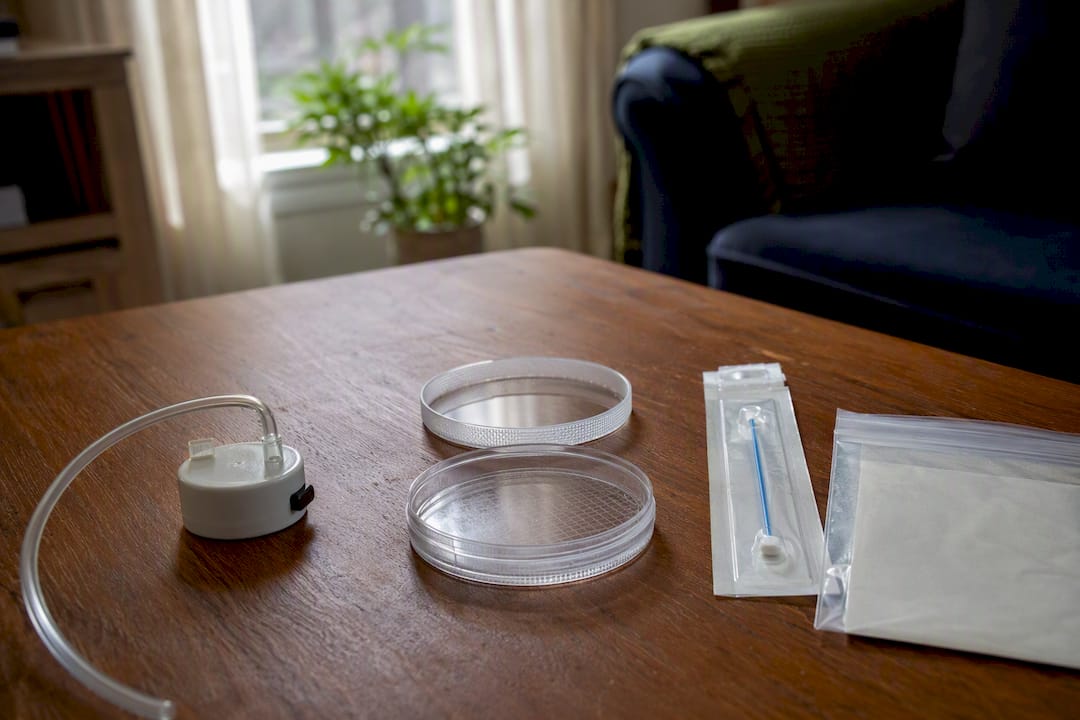
Settle-plate tests in particular produce a high rate of false negatives, since they lack a defined sampled air volume and nothing to measure against. EPA guidance points to properly collected air cassette samples processed by an accredited lab as the more reliable option when the answer actually matters.
A DIY kit makes sense for a quick, low-stakes screen, like confirming a musty smell isn't anything. It's the wrong tool for insurance claims, real estate transactions, health investigations, or confirming remediation success. If a DIY test comes back positive or ambiguous, the next move is a professional inspection with paired indoor and outdoor air sampling, not a second DIY kit.
Why Hyattsville Homeowners Choose Purerestomd for Mold Inspection
Purerestomd inspectors carry IICRC certification and use moisture meters, infrared cameras, and lab partnerships that follow AIHA-recommended methods. Every sample gets a documented chain of custody from collection through lab analysis, which matters if the results end up supporting an insurance claim.
Response matters as much as credentials when there's active water damage. Purerestomd offers 24/7 availability with a 30-minute emergency response window, and handles direct insurance billing so homeowners aren't stuck fronting costs during an already stressful week.
Pure Resto's inspection process includes post-remediation clearance testing, confirming the problem is actually resolved rather than just less visible. That clearance step, done independently of the original remediation work, is what gives homeowners and insurers confidence the job is done.
- IICRC-certified inspectors and technicians.
- 24/7 availability with 30-minute emergency response.
- Direct insurance billing to reduce out-of-pocket stress.
- Documented chain of custody and accredited lab analysis.
Nearby coverage includes mold inspection in Adelphi and mold inspection in Columbia, both handled with the same inspection standard.
What Are Hyattsville's Mold Disclosure Rules?
Maryland doesn't have a statewide mold-specific disclosure statute the way some states regulate lead paint, but sellers in Prince George's County, including Hyattsville, still fall under Maryland's general real estate disclosure and disclaimer requirements. That means known material defects, including a documented mold problem or a history of water intrusion, generally need to be disclosed to a buyer even without a mold-specific line item on the form.
This is exactly why a written inspection report matters more than a verbal assurance. A buyer's agent or lender may request lab-backed documentation before closing, and a seller without one risks either a delayed sale or a dispute after the fact. Landlords face a similar dynamic. Prince George's County has its own rental licensing and habitability standards, and unresolved mold tied to a maintenance issue can become the basis of a tenant complaint or code enforcement action.
None of this replaces legal advice for your specific transaction. What it does mean practically: if you're selling a Hyattsville home with any history of water damage, or you're a landlord who's had a tenant report mold, get a documented inspection before the situation escalates into a dispute. A report with chain-of-custody sampling is the kind of evidence that holds up if a disagreement ends up in front of a housing authority or in a real estate negotiation.
What Makes Hyattsville Homes Prone to Mold?
Hyattsville sits close to the Anacostia River watershed, and that proximity shows up in local humidity and flood risk. Homes near Northwest Branch or the Sligo Creek tributary system see more basement moisture after heavy rain than properties on higher ground elsewhere in Prince George's County.
The area's housing stock adds another factor. Many Hyattsville neighborhoods, particularly around the Arts District and older sections near University Town Center, feature homes built well before modern vapor barrier and grading standards became common. Older foundations without proper drainage let groundwater seep into basements and crawlspaces during Maryland's humid summers, creating exactly the sustained moisture mold needs to establish itself.
Mid-Atlantic summers bring consistently high humidity, and Maryland's mix of hot, wet summers and cold winters stresses HVAC systems that cycle condensation year-round. An HVAC unit that isn't properly maintained becomes a mold source of its own, circulating spores through ductwork rather than filtering them out.
Basements and crawlspaces remain the highest-risk zones in most Hyattsville homes, especially in properties built before the 1980s. If your home has had even minor water intrusion during a storm, or if your crawlspace lacks a vapor barrier, that's a standing risk factor worth addressing before mold becomes visible, not after.
How to Vet a Local Remediation Contractor
Not every company that inspects mold also handles the cleanup well, and the reverse is just as true. Before hiring a remediation contractor in the Hyattsville area, confirm they carry IICRC certification specifically for mold remediation, not just general water damage restoration.
Ask whether the same company plans to run the inspection and the clearance test after their own remediation work. That's a conflict of interest worth flagging, even if the company is reputable. The stronger setup is independent clearance testing, either from a different technician within the same company using separate sampling protocols, or from an outside inspector entirely.
Get a written scope of work before any demolition or treatment begins. It should specify which materials get removed, which get treated, and what containment measures prevent spores from spreading to unaffected rooms during the job. A contractor who can't answer specifics about containment is one to avoid.
Finally, confirm the contractor handles insurance documentation directly, since a remediation job tied to water damage often qualifies for coverage, and paperwork delays are one of the most common reasons homeowners end up paying out of pocket for work that should have been covered.
Our Take: Testing Should Follow the Problem, Not Precede It
The biggest mistake we see in mold conversations is treating a test as the first step instead of the second. The real first step is figuring out whether you're in one of the handful of situations, an insurance claim, a sale, symptoms, or post-remediation verification, where a documented result actually changes what happens next. Absent one of those, chasing a spore count for a visible patch on a bathroom wall is money spent on a number with no federal standard to compare it against.
Where conventional advice falls short is in treating all mold kits and all inspectors as roughly equivalent. They aren't. A settle plate and a chain-of-custody air sample from an accredited lab answer different questions, and conflating them leads homeowners to either overpay for unnecessary testing or underinvest when a dispute is actually on the table.
Prioritize fixing moisture first. Every credible source on this topic circles back to the same point: a clean lab report on a home with an active leak is a temporary result, not a solution.
— Pure
Book a Certified Mold Inspection With Purerestomd
If you've spotted mold, dealt with a leak, or need documentation for an insurance claim or home sale, Purerestomd handles the inspection, the lab-backed testing, and the insurance paperwork under one roof, so you're not coordinating three separate vendors during an already stressful situation.
Scheduling takes one call or a few minutes online, and a certified technician can walk you through what samples make sense for your situation before anyone steps onto your property. Because Purerestomd also handles remediation, follow-up questions about next steps get answered on the same visit instead of requiring a second consultation. Homes with active water damage get priority scheduling under the 30-minute emergency response window, available 24/7.
Ready to get a documented answer instead of a guess? Schedule a mold inspection with Purerestomd and get a written report you can actually use, whether that's for a claim, a closing, or your own peace of mind.
Sources
- Mold Testing or Sampling | US EPA
- Mold Testing Guide: Do You Actually Need One? DIY vs Pro Costs (2026) | Out of the Mold
- Mold Inspection Cost: What to Expect in 2026
FAQ
How Much Does Mold Testing Cost?
A standard professional inspection typically runs $300 to $900, with individual lab samples adding $25 to $150 each depending on the test type.
What Time of Year Is Worst for Mold?
Late spring through summer tends to be highest risk in the Mid-Atlantic, when humidity peaks and HVAC systems run constantly, though basement mold from water intrusion can develop any time there's a leak.
Is There a Test for Mold Exposure in People?
Testing focuses on the environment, not blood or breath tests for individual exposure; if you have unexplained respiratory or allergy symptoms tied to your home, that's one of the scenarios where professional indoor air testing is worth scheduling.
Can I Test My Apartment for Mold Myself?
You can use a DIY kit for an initial screen, but settle plates and basic home kits lack an outdoor baseline and often produce false negatives, so a positive or unclear DIY result should lead to a professional inspection, especially if you're documenting a dispute with a landlord.