
If mold covers 10 square feet or more, your HVAC system is involved, water sat for more than 24 to 48 hours, or anyone in the house has respiratory symptoms, stop the water source if it's safe to do so, limit access to the area, and call a certified mold remediation contractor for an inspection. Pure Resto handles mold remediation in Olney with 24/7 emergency response and direct insurance billing, so that call can happen the moment you spot a problem.
TL;DR:
- Professional remediation requires an independent inspection, a detailed written protocol, proper containment, removal, and clearance testing to ensure complete mold removal.
- EPA guidance considers mold patches larger than 10 square feet as needing professional intervention, especially if persistent odors, stains, or dampness are present.
- Costs vary from about $500 for small jobs under 10 square feet to over $10,000 for extensive, complex contamination involving HVAC or demolition.
- Always insist on independent assessment and clearance testing, compare multiple bids referencing the same scope, and verify contractor credentials and insurance before starting work.
- Pure Resto offers rapid, certified mold inspections with direct insurance billing, comprehensive remediation, and clearance testing to prevent recurrence.
Table of Contents
- What Does Mold Remediation Olney Homeowners Need Actually Include?
- When Do You Actually Need to Hire a Professional?
- What Happens During a Professional Remediation Job?
- How Do You Choose the Right Mold Remediation Contractor?
- What Does Mold Remediation Cost, and How Does Insurance Factor In?
- Why Most Mold Advice Skips the Part That Actually Protects You
- Get a Certified Mold Inspection From Pure Resto
- Sources
- FAQ
What Does Mold Remediation Olney Homeowners Need Actually Include?
A real mold remediation job in Olney isn't a guy with a spray bottle and a mask. It's a documented, multi-stage process that starts before anyone touches the moldy drywall and ends with proof the air is clean again. If a contractor's estimate skips straight from "inspection" to "cleanup" with nothing in between, that's a scope missing critical steps.
A full-service job for mold cleanup Olney residents can trust covers:
- An independent inspection and written remediation protocol specifying exact areas, square footage, and materials slated for removal
- Containment using negative air machines and physical barriers, paired with HEPA filtration to stop spores from spreading to unaffected rooms
- Removal and sealed disposal of porous materials that can't be salvaged, plus professional cleaning of items that can
- Drying and dehumidification aimed at the 24 to 48 hour window, coordinated with repair of whatever caused the moisture in the first place
- Contents packout, specialized cleaning, and secure storage when a room needs to be fully cleared
- Post-remediation cleaning and independent clearance testing before anyone rebuilds
Miss any one of these and you risk paying for work that looks finished but leaves the underlying moisture problem, and the mold it feeds, intact.
When Do You Actually Need to Hire a Professional?
The EPA sets roughly 10 square feet (about 3 feet by 3 feet) as the point where DIY cleanup stops being reasonable and professional remediation should start. That's a patch smaller than a card table. Below that size, EPA guidance allows for careful DIY cleanup with proper protective gear. Above it, or in specific high-risk situations, call a professional regardless of the size.
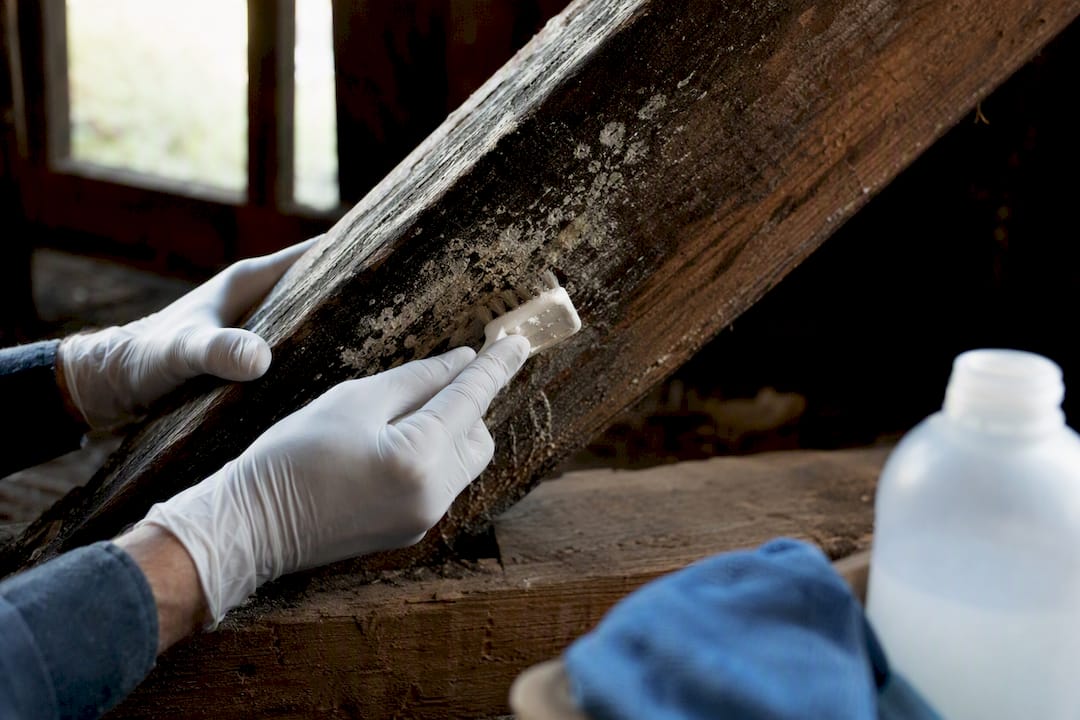
Statistic to remember: the 10-square-foot threshold isn't arbitrary. It reflects how quickly airborne spore counts climb once mold colonizes a larger surface area, which is why the same guidance treats HVAC contamination, sewage backups, and immunocompromised occupants as automatic exceptions, no matter how small the visible patch looks.
Watch for these signals that push you into professional territory:
- A musty smell that persists after you've cleaned the visible spot
- Stains or discoloration reappearing behind drywall or under flooring
- Standing water or dampness that went uncorrected for more than 24 to 48 hours, since drying within that window is what actually prevents regrowth
- New or worsening asthma symptoms, persistent coughing, or allergic reactions among people in the building
What Happens During a Professional Remediation Job?
Here's the sequence a legitimate mold remediation company follows, and what should raise a red flag if it's skipped.
- Independent assessment first. A qualified inspector, ideally someone with no financial stake in the remediation contract, evaluates the extent of contamination before any cleanup begins.
- Written remediation protocol. That assessment becomes a document specifying square footage, materials to remove, and containment requirements. This protocol is what every contractor bid should reference.
- Containment setup. Technicians seal off the work zone with physical barriers and run negative-air machines with HEPA filtration, so spores don't migrate into your living space while work is underway.
- Removal and disposal. Contaminated porous materials (drywall, insulation, some carpet) get cut out through controlled demolition and bagged for sealed disposal. This step matters more than most homeowners realize.
Pro Tip: Killing mold in place without removing it doesn't solve the problem. Dead spores are still allergenic, so a contractor who only fogs or sprays a "mold-killing" solution and calls it done is skipping the step that actually protects your health.
- Surface cleaning. Hard surfaces get scrubbed with detergent and HEPA vacuumed; HEPA equipment handles final cleanup while wet vacuums are only for extracting standing water and need thorough cleaning afterward.
- Drying and humidity control. Dehumidifiers run until moisture readings fall into a safe range, not just until the space looks dry.
- Independent clearance testing. A separate inspector checks visually and often pulls air or surface samples before anyone starts reconstruction.
Skip step 7 and you're taking the remediation company's word that their own work passed. That's not a real safeguard.
How Do You Choose the Right Mold Remediation Contractor?
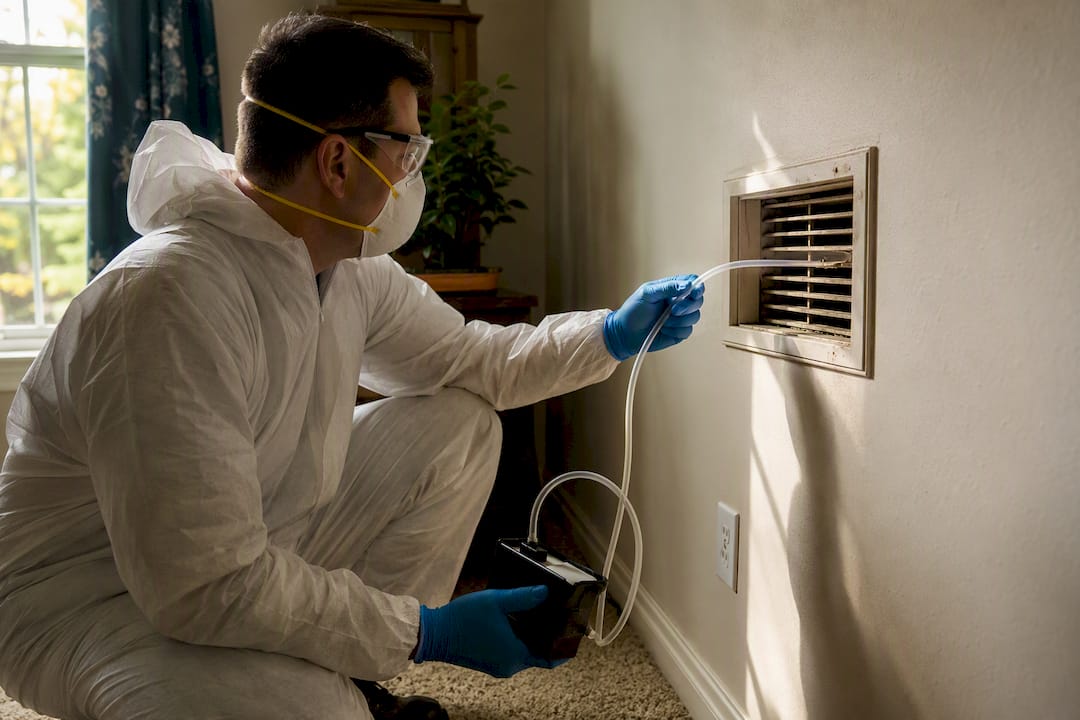
This is where most homeowners get taken advantage of, and where a little diligence saves real money. Start with credentials: look for technicians holding an IICRC AMRT (Applied Microbial Remediation Technician) certification, and confirm the company itself carries IICRC Certified Firm status. Both are verifiable through the certifying body's lookup tools, so don't just take a website's word for it.
Beyond credentials, follow this checklist:
- Insist on an independent assessor separate from whoever does the remediation work, and make sure the remediation scope matches that assessor's written protocol
- Collect at least three written, on-site bids that all reference the same protocol document, so you're comparing identical scopes instead of apples to oranges
- Compare specifics between bids: containment size, materials slated for removal, and who's handling clearance testing
- Ask to see a current certificate of insurance (COI) before anyone starts work
Independent clearance testing is your protection as the customer. If the same company that did the remediation also signs off on its own clearance test, you have no real verification that the job actually worked.
Red flags to walk away from immediately: a "free inspection" that turns into an on-the-spot sales pitch, any contractor who quotes a price over the phone without seeing the property, refusal to provide a COI, or promises to make your home permanently "mold-free" (no honest contractor makes that claim, since mold spores exist everywhere in outdoor air). Keep every invoice, lab report, protocol document, and email. You'll need that paper trail if you file an insurance claim or need to invoke a workmanship warranty later.
What Does Mold Remediation Cost, and How Does Insurance Factor In?
Mold remediation cost Olney homeowners can expect varies widely based on scope, but rough bands help set expectations. Small jobs under 10 square feet typically run $500 to $1,500; medium jobs between 10 and 30 square feet often land between $1,500 and $6,500; large or complex jobs, especially ones involving HVAC contamination or extensive demolition, can exceed $10,000. Treat these as approximate ranges, not guarantees, since access difficulty, demolition scope, contents packout needs, and independent testing fees all move the number.
- Get the insurance adjuster's written scope of work before you start soliciting contractor bids
- Hand that same assessor's protocol to every contractor bidding the job, so estimates are comparable
- You are not obligated to hire your insurer's preferred vendor. That choice is yours.
- Avoid paying the full amount upfront, and don't sign off on reconstruction until you have a written workmanship warranty and independent clearance test results in hand
Following documented cleanup guidance after a flood, including drying within 24 to 48 hours and photographing damage for your claim, also strengthens your position with an adjuster.
Why Most Mold Advice Skips the Part That Actually Protects You
Most guidance on mold problems focuses on symptoms and square footage, and while that matters, it skips the part that actually protects a homeowner financially and medically: the paper trail. The single biggest gap in conventional advice is the assumption that any licensed contractor showing up with equipment is qualified to both diagnose and fix the problem. That conflict of interest, letting the same company assess the damage and then bill you to fix it, is where costs balloon and corners get cut.
The reader's real priority isn't finding the cheapest bid. It's insisting on an independent assessment and independent clearance testing before signing anything, then using that written protocol to make every contractor bid on the same scope. That single habit turns a confusing, high-stakes decision into a straightforward comparison. Homeowners who skip it usually end up either overpaying or discovering months later that the mold came back because nobody addressed the actual moisture source.
— Pure
Get a Certified Mold Inspection From Pure Resto
Pure Resto is the direct, certified option for mold remediation in Olney and across Maryland, built around a 30-minute emergency response instead of the multi-day wait many contractors require. Every technician works under IICRC certification, and every job includes direct insurance billing so you're not stuck fronting costs while a claim processes.
When you call, you get a thorough on-site inspection, a written remediation protocol that spells out exactly what's being removed and why, and coordination on moisture-source repair so the problem doesn't resurface in six months. Pure Resto also handles contents cleaning, packout, and secure storage when a room needs to be fully cleared during larger jobs, and independent clearance testing is coordinated before any reconstruction begins. If your property also needs carpet and upholstery cleaning after water damage, that's handled under the same visit.
Schedule an inspection through Pure Resto's Maryland restoration team today, or call for 24/7 emergency service if you're dealing with active water intrusion right now.
This article is general information, not a substitute for advice from a qualified doctor. Consult a qualified healthcare professional about your own circumstances before acting on anything here.
Sources
FAQ
What Is the Average Cost to Remove Mold?
Small jobs under 10 square feet typically run $500 to $1,500, medium jobs between 10 and 30 square feet run $1,500 to $6,500, and large or complex jobs can exceed $10,000 depending on demolition and testing needs.
Can Black Mold Really Be Remediated?
Yes. Black mold responds to the same remediation process as other mold species: independent assessment, containment, removal of contaminated porous materials, HEPA cleaning, and clearance testing, rather than any special "kill" treatment.
How Do I Avoid Getting Scammed by a Mold Remediation Company?
Insist on an independent inspection separate from the remediation contractor, collect at least three written on-site bids against the same protocol, and walk away from anyone who quotes a price over the phone or refuses to show a certificate of insurance.
Is There a Difference Between Mold Removal and Mold Remediation?
"Mold removal" implies eliminating all mold, which isn't realistic since spores exist naturally in outdoor air; "mold remediation" is the accurate industry term for reducing mold to normal levels and fixing the moisture source that caused it, which is the standard Pure Resto and other IICRC-certified firms work to.