
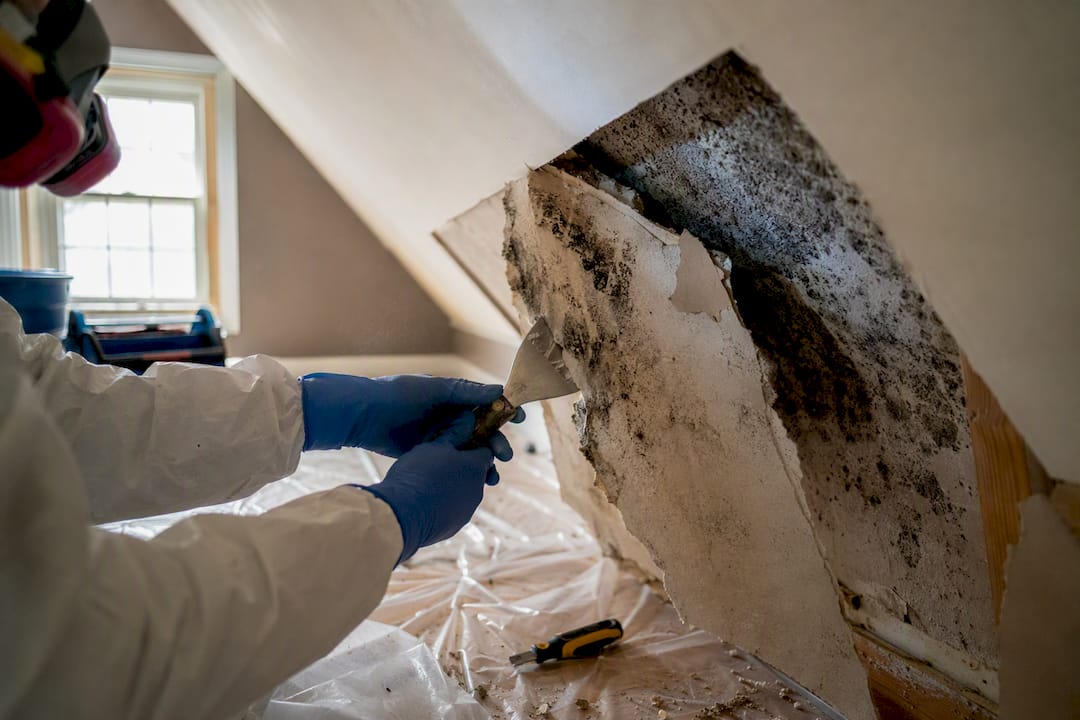
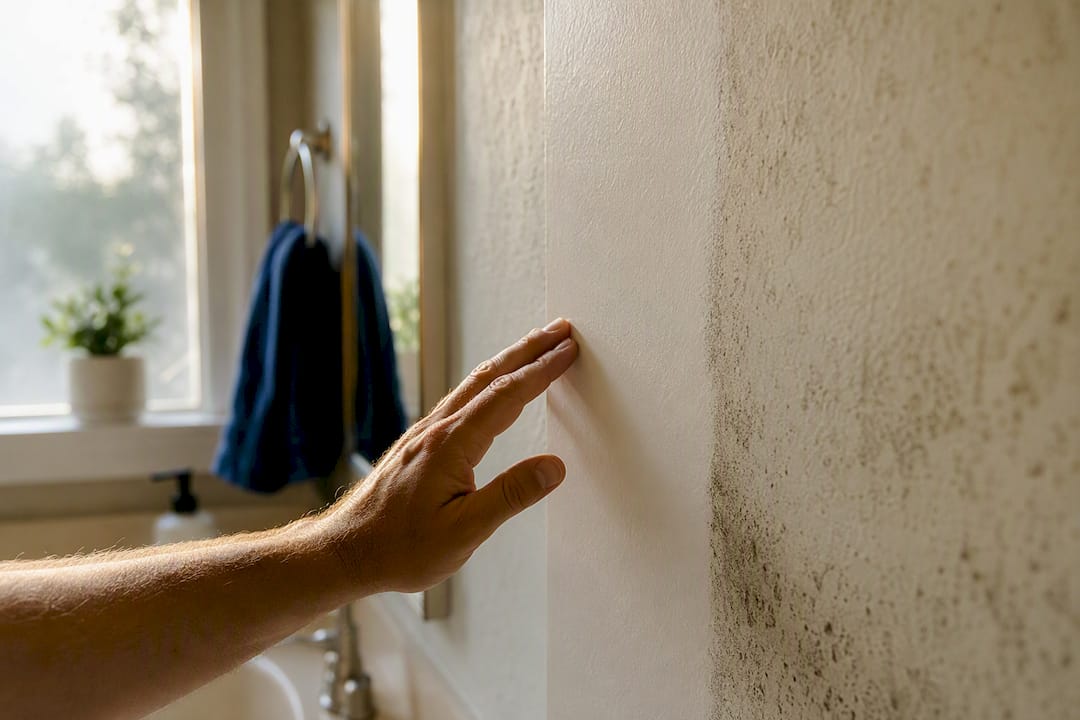
If mold covers more than about 10 square feet, sits inside walls or ceilings, or follows water damage that sat wet longer than 48 hours, stop using the space and call a certified remediation contractor now. Don't scrub, spray, or dry-brush it yourself. Ask any contractor for their IICRC and ACAC/CMRS credentials, confirm they use containment and HEPA filtration with clearance testing, and check whether they offer 24/7 response and direct insurance billing.
TL;DR:
- Professionals should use containment, HEPA filtration, and thorough cleaning methods to ensure mold spores are not spread during remediation, especially for larger or hidden infestations.
- Water damage that has been wet for more than 48 hours or covers more than 10 square feet requires immediate specialized remediation, not DIY cleaning.
- Clear documentation, including written scope, clearance testing, and warranty terms, is essential to verify a proper remediation process and avoid mold recurrence.
- Costs vary based on the affected area size and demolition needed, with reconstruction costs and moisture source repairs significantly impacting the final price.
- Homeowners in Waldorf should demand verified credentials, transparent quoting, and proper permits, especially for jobs involving structural work, to ensure effective and compliant mold remediation.
Table of Contents
- What Does Mold Remediation in Waldorf Actually Involve?
- Do You Need a Professional or Can You Handle It Yourself?
- What Happens During a Professional Remediation Job?
- How Much Does Mold Remediation Cost and How Long Does It Take?
- How Do You Choose a Certified Mold Remediation Contractor?
- What Should Happen After Remediation Finishes?
- How Can You Prevent Mold From Coming Back in Waldorf?
- Why Homeowners Trust Pure Resto for Mold Remediation
- Local Regulations and Permitting for Mold Remediation in Waldorf
- What Warranties Do Mold Remediation Companies Typically Offer?
- What Waldorf Homeowners Say About Local Mold Contractors
- Publisher Viewpoint: What Waldorf Homeowners Get Wrong About Mold Jobs
- Get a Certified Mold Inspection in Waldorf Today
- Sources
- FAQ
What Does Mold Remediation in Waldorf Actually Involve?
Remediation is not the same as spraying a bottle of bleach on a bathroom ceiling. The CDC's NIOSH division draws a clear line: mold removal typically means cleaning what's visible, while remediation is the full process of returning a space to safe background mold levels. That means inspection, containment, filtration, material removal, cleaning, and verification, not just wiping a surface.
A legitimate remediation job in Waldorf, MD follows a sequence, not a shortcut:
- Inspection and moisture mapping to find the source, not just the symptom
- Containment barriers and PPE sized to the job, from N95 respirators up to full-face protection for heavier work
- HEPA air filtration and negative air pressure to keep spores from spreading to clean areas
- Removal and bagging of contaminated porous materials like drywall, insulation, and carpet padding
- Detailed cleaning, antimicrobial treatment, and controlled drying of everything that stays
Skip any of these steps and you're left with mold removal dressed up as remediation. That distinction matters when you're comparing quotes, because a contractor who charges less by cutting containment or air filtration is cutting the parts of the job that actually keep spores out of your lungs and your ductwork.
Do You Need a Professional or Can You Handle It Yourself?
The EPA draws its line at roughly 10 square feet: anything larger, and the agency recommends bringing in professional guidance rather than tackling it with a spray bottle and a mask. For smaller areas on hard, nonporous surfaces, after you've already fixed the leak, cleanup is usually a reasonable DIY job.
A few situations always call for a pro, regardless of size:
- Growth inside wall cavities, ceilings, or HVAC ducts you can't fully see or access
- Porous materials (drywall, carpet, upholstered furniture) that stayed wet more than 24 to 48 hours
- Anyone in the household with asthma, allergies, a suppressed immune system, or a chronic lung condition should not do the cleanup themselves.
Pro Tip: If you can't remember exactly when the water event happened, assume it's been longer than 48 hours and act like mold has already started. Waiting to "see if it gets worse" almost always costs more than calling early.
What Happens During a Professional Remediation Job?
A remediation crew doesn't just show up and start tearing out drywall. The sequence protects your property, your health, and your insurance claim.
- Written inspection and estimate. Before any work starts, you should get a documented scope: what's affected, why, and what it will cost. No verbal-only quotes.
- Containment setup. For smaller jobs (roughly 10 to 100 square feet), crews typically use limited containment with single-layer poly sheeting. Larger or high-release jobs call for full containment: double-layer poly and negative air machines, following EPA remediation guidelines for schools and commercial buildings.
- Demolition and disposal. Contaminated materials get double-bagged on-site and HEPA-vacuumed, not swept or shaken out into open air.
- Drying and air scrubbing. HEPA scrubbers run for a set number of hours, moisture meters track drying progress, and clearance testing gets scheduled once numbers stabilize.
- Handoff to reconstruction. The remediation team coordinates directly with reconstruction contractors and your insurance adjuster so rebuilding starts without a documentation gap.
That last step trips up a lot of homeowners who hire two separate companies and end up stuck between them when paperwork doesn't line up.
How Much Does Mold Remediation Cost and How Long Does It Take?
Cost tracks almost directly with affected area and how much demolition it requires. A small job under 10 square feet, hard-surface cleaning with minor containment, sits at the low end. Once you're into 10 to 50 square feet with some drywall removal, costs climb accordingly, and jobs spanning 50 to 100 square feet or more, especially with reconstruction attached, land at the top of the range.
What actually moves the price:
- How much demolition and material replacement the job requires
- Drying time, which stretches out in humid Waldorf summers or poorly ventilated spaces
- Access difficulty (crawlspaces, attics, tight mechanical rooms)
- Whether clearance testing and third-party lab verification are included
- Reconstruction and rebuild scope once remediation finishes
Insurance often covers remediation when the underlying water damage is a covered peril, which is why direct insurance billing saves homeowners from fronting costs and chasing reimbursement. Timeline-wise, expect inspection and scoping in the first day, active remediation running several days depending on size, and reconstruction as a separate phase once drying and clearance are confirmed.
How Do You Choose a Certified Mold Remediation Contractor?
Credentials separate a real remediation company from someone with a shop-vac and a business card. Verify IICRC certification, ACAC or CMRS credentials, and any applicable state licensing before you sign anything.
Ask direct questions: What containment level will you use? Do you perform clearance testing, and is it third-party? Will you identify and repair the moisture source, not just clean around it? Do you bill insurance directly? What's the realistic timeline?
Red flags that should end the conversation fast:
- Promises of "100% mold removal" (no legitimate contractor guarantees zero spores)
- No containment plan mentioned at all
- Surface spraying only, with no discussion of removing porous materials
- A flat quote given without ever stepping inside the property
| Ask for | Why it matters |
|---|---|
| Written scope of work | Confirms what's included before demolition starts |
| Clearance test results | Verifies the job actually met safe conditions |
| Photos before/during/after | Protects you if insurance disputes the claim |
| Warranty terms in writing | Defines what's covered if mold returns |
What Should Happen After Remediation Finishes?
Clearance doesn't always mean a lab report. The EPA notes there's no federal health-based standard for indoor mold levels, so most contractors rely on visual inspection and the absence of musty odor first, with third-party lab testing as an optional extra layer of confirmation.
Before you move back in fully:
- Confirm no visible growth remains and no musty smell lingers
- Vulnerable occupants (young children, people with asthma or immune conditions) should wait until clearance is confirmed, not just when work looks finished
- Ask how the team verified the original moisture source is actually fixed, not just that visible mold is gone
- Get warranty terms in writing, including what triggers a free return visit
Skipping the moisture-source verification step is the single most common reason mold comes back within a year of a "completed" job.
How Can You Prevent Mold From Coming Back in Waldorf?
Waldorf's humid summers and older housing stock make ongoing moisture control the real fight, not a one-time cleanup.
- Fix leaks immediately and improve grading and gutter drainage around the foundation
- Dry any wet material within 24 to 48 hours using fans or a dehumidifier
- Check attics and crawlspaces seasonally, and keep indoor humidity below roughly 50%
- Run bathroom and kitchen exhaust fans during and after every shower or cooking session
Pro Tip: A $30 hygrometer from any hardware store tells you in seconds whether a room's humidity is creeping toward mold-friendly territory. Check it monthly, especially in basements.
Why Homeowners Trust Pure Resto for Mold Remediation
Purerestomd brings IICRC-certified technicians, 24/7 emergency dispatch, and a 30-minute response window to mold jobs across Maryland. The team handles insurance billing directly, manages contents cleaning and secure packouts when items need to leave the property, and coordinates reconstruction so nothing stalls between phases.
Local Regulations and Permitting for Mold Remediation in Waldorf
Maryland does not currently require a specific state mold remediation license the way some states do for asbestos or lead abatement, but that doesn't mean the work is unregulated. Charles County, where Waldorf sits, enforces building permit requirements for any remediation job that involves structural demolition, drywall replacement, or electrical and plumbing work tied to water damage repair. If your remediation crosses into reconstruction, meaning studs, subfloor, or load-bearing elements get touched, a permit is typically required before that work begins.
Contractors doing remediation work should also follow OSHA respiratory protection standards for their crews and disposal regulations for contaminated building materials, which usually means bagging and hauling debris to approved facilities rather than standard curbside trash.
Homeowners don't need to pull their own permits when using a licensed contractor. A reputable remediation company handles permitting as part of the job, and it's a fair question to ask upfront: "Will this job need a permit, and who's pulling it?" If a contractor says permits "don't apply" to a job that clearly involves wall removal or electrical work, treat that as a warning sign rather than a convenience. Insurance carriers also frequently require documentation that permitted work was properly closed out before they'll finalize a claim payout, so skipping this step can delay your reimbursement even after the physical work is done.
What Warranties Do Mold Remediation Companies Typically Offer?
Warranty terms vary more than most homeowners expect, and reading the fine print matters as much as reading the price. Some contractors offer a limited warranty covering only the specific area treated, typically 1 to 5 years, contingent on the original moisture source staying fixed. That last part is the catch: most warranties are void if a new or unrelated leak causes fresh growth, since the guarantee only covers a recurrence tied to the same root cause.

Better warranty language spells out exactly what triggers a free return visit: regrowth in the treated footprint within the coverage window, assuming no new water intrusion occurred. Weaker or vague warranties promise "satisfaction guaranteed" without defining what satisfaction means or what conditions void it, which leaves homeowners with no real recourse if mold returns six months later.
Ask any contractor three direct questions before signing: What exactly does the warranty cover? What voids it? Is it transferable if you sell the property within the coverage period? A transferable warranty can be a genuine selling point for a home, particularly for buyers who ask about prior water or mold issues during inspection.
Get every warranty term in writing as part of the final scope of work, not as a verbal promise made during the sales visit. If a contractor hesitates to put warranty terms on paper, that hesitation tells you more than the sales pitch does.
What Waldorf Homeowners Say About Local Mold Contractors
Homeowners across the Waldorf area consistently point to the same handful of factors when reviewing mold remediation work: how fast the contractor responded, whether they explained the process clearly before starting, and whether the mold actually stayed gone. Response speed comes up constantly in reviews, especially for jobs tied to a burst pipe or roof leak where every hour of delay meant more drywall to replace.
Homeowners also tend to reward contractors who walk them through containment and testing before work starts, rather than showing up and immediately cutting into walls. That upfront communication, more than any single technical detail, seems to be what separates a five-star review from a frustrated one. Complaints, when they show up, usually center on vague pricing, no clearance testing offered, or mold reappearing within months, which almost always traces back to the moisture source never getting properly repaired in the first place.
If you're vetting a Waldorf-area contractor, ask to see recent local reviews specifically, not just a company's general national rating. A contractor's responsiveness in your specific ZIP code, during your specific season, tells you more than a five-star average pulled from jobs across the whole state.
Publisher Viewpoint: What Waldorf Homeowners Get Wrong About Mold Jobs
The biggest mistake we see isn't hiring the wrong contractor. It's treating mold as a cosmetic problem instead of a moisture problem. Painting over a stain or bleaching a ceiling patch does nothing if the leak behind it never gets fixed. Insist on a written scope before any work starts, demand clearance testing rather than a verbal "looks good," and get at least one on-site inspection before you accept a quote over the phone. A contractor unwilling to walk your property first isn't one you want walking away with your insurance check.
— Pure
Get a Certified Mold Inspection in Waldorf Today
Purerestomd gives Waldorf homeowners something most local contractors can't: a 30-minute emergency response window backed by IICRC-certified technicians and direct insurance billing, so you're not stuck fronting costs while mold spreads. Every job includes documented scope, containment appropriate to the affected area, and clearance verification before we call it done.
If you're seeing mold growth, smelling musty odors, or recovering from a recent leak, don't wait for it to spread into wall cavities and HVAC systems. Schedule an inspection with Pure Resto and get a written assessment before you commit to any remediation plan. For properties needing contents handled during the job, our contents cleaning and storage service keeps belongings safe and documented throughout the process.
This article is general information, not a substitute for advice from a qualified doctor. Consult a qualified healthcare professional about your own circumstances before acting on anything here.
Sources
FAQ
What Is the Average Cost to Remove Mold?
Costs scale with affected area and demolition needs, ranging from smaller jobs under 10 square feet on hard surfaces up to significantly higher costs for jobs over 100 square feet requiring reconstruction. Getting an on-site inspection is the only reliable way to know where your job falls.
How Likely Is Mold to Come Back After Remediation?
Recurrence is common when the underlying moisture source isn't fully repaired, which is why a quality remediation plan always includes identifying and fixing the leak or humidity problem, not just removing visible growth.
What's the Difference Between Mold Removal and Mold Remediation?
Mold removal generally refers to cleaning visible mold from a surface, while remediation is the complete process, including inspection, containment, filtration, material removal, and verification, that the CDC recommends for lasting results.
Does Pure Resto Handle Insurance Billing for Mold Remediation?
Yes. Purerestomd coordinates directly with insurance providers for covered water and mold damage claims, which removes the burden of fronting costs and chasing reimbursement paperwork from the homeowner.